Over the past few years, skin treatments have gone from something associated with celebrities and influencers to something far more mainstream. Walk into almost any high street clinic now and you’ll find packed appointment books, waiting lists for popular procedures, and clients of all ages looking for ways to improve their skin without going anywhere near surgery.
A lot of that shift comes down to changing attitudes around skincare. People are investing more in prevention than correction, focusing on healthier skin now rather than trying to reverse years of damage later on. Social media has obviously played a part too, but so has the growing demand for treatments that deliver noticeable results without weeks of downtime.
And the industry itself is booming. Recent market reports suggest the UK aesthetics sector is worth billions and still growing steadily, particularly within non surgical treatments and injectables. It’s no longer niche; it’s become part of modern beauty and wellness culture.
So, which treatments are people actually spending their money on?
HydraFacial Still Reigns Supreme
If there’s one treatment that’s become almost universally recognised, it’s HydraFacial.
Clinics across the UK continue to promote it as the go to option for brighter, cleaner, more hydrated skin, and honestly, it’s easy to see why. The treatment combines cleansing, exfoliation, extraction and hydration in a single session, making it especially appealing for people who want visible results quickly.
What’s helped HydraFacial maintain its popularity is how accessible it feels. There’s no intimidating recovery process, no dramatic peeling, and no need to disappear indoors for a week afterwards. You can have it done during a lunch break and head straight back to work looking fresher than when you arrived.
It’s also become a favourite before weddings, holidays and events because it gives skin that immediate glow people are after. And unlike some harsher treatments, it suits a wide range of skin types.
Interestingly, online skincare discussions show that many people now treat HydraFacial as part of a broader skincare routine rather than a one off luxury. It often sits alongside treatments like microneedling, LED therapy or laser resurfacing as part of a long term skin maintenance plan.
Microneedling Has Moved Well Beyond A Trend
Microneedling has been around for years, but demand for it has climbed sharply, particularly among people focused on collagen production and skin texture.
The idea behind it is fairly straightforward. Tiny controlled injuries are created in the skin, which then triggers the body’s natural repair process and encourages collagen production. The result? Smoother skin, softer acne scarring, reduced pores and an overall fresher appearance over time.
Radiofrequency microneedling, often shortened to RF microneedling, has pushed things even further. By combining traditional microneedling with heat energy, clinics can target skin tightening and deeper rejuvenation at the same time.
What’s interesting is the age group now booking these treatments. It’s not just people trying to reverse visible ageing anymore. Plenty of younger clients are choosing collagen stimulating treatments early as a preventative measure, hoping to maintain skin quality long term rather than playing catch up later.
Treatments like Morpheus8 have become particularly sought after in the UK, largely because they promise noticeable results without the commitment or recovery associated with surgery.
Botox Isn’t Going Anywhere
Despite constant new treatment launches, Botox still dominates the aesthetics world in the UK.
That probably won’t surprise anyone. Anti wrinkle injections remain one of the most widely booked cosmetic treatments, with hundreds of thousands of procedures carried out every year. But the way people approach Botox has changed quite a bit.
The obvious, frozen look that once defined cosmetic injectables has fallen out of favour. These days, most clients want subtle movement, softer lines and results that look natural enough that nobody can quite tell what’s changed.
That’s where Baby Botox comes in, smaller doses designed to soften expressions rather than erase them entirely. It’s become especially popular among younger adults who see injectables as preventative rather than corrective.
Forehead lines and crow’s feet remain the most requested areas, although jawline slimming and masseter Botox have also surged in popularity recently.
At the same time, conversations around safety and regulation have become far louder. As the industry grows, so does scrutiny around unregulated practitioners and counterfeit products. Clients are becoming more cautious about who they trust with injectable treatments, understandably so.
Skin Boosters And Polynucleotides Are Having A Major Moment
If there’s one area of aesthetics that’s exploded recently, it’s regenerative skin treatments.
Skin boosters, collagen stimulators and polynucleotides are now everywhere. Clinics are heavily promoting them, beauty influencers can’t stop talking about them, and search demand across the UK has risen dramatically over the last year.
Part of the appeal is that these treatments focus on skin quality rather than changing facial structure. Instead of adding volume in the way fillers do, they’re designed to improve hydration, elasticity and overall skin health gradually over time.
That softer, fresher look has become hugely desirable, especially as beauty trends move away from overly sculpted faces and towards healthier, more natural skin.
Polynucleotides in particular have become one of the industry’s biggest talking points. Many clinics market them as regenerative treatments that help repair and rejuvenate skin on a deeper level, which ties neatly into the wider glass skin trend that’s influenced skincare globally.
Treatments like Profhilo and Sculptra are also seeing massive growth, especially among clients looking for subtle rejuvenation without obvious cosmetic work.
Laser Treatments Are More Popular Than Ever
Laser treatments used to feel quite intimidating to the average person. Not anymore.
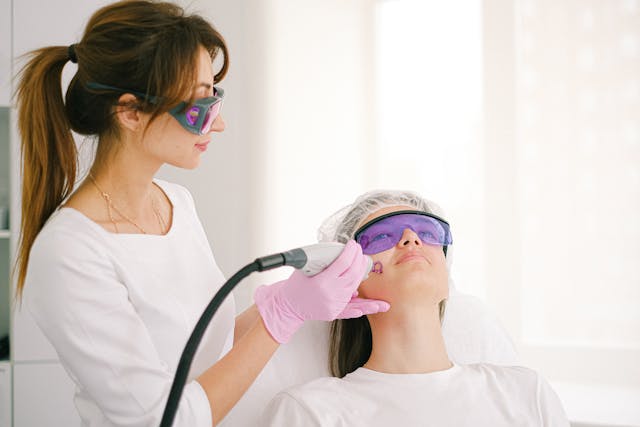
Advances in technology have made modern laser procedures faster, more precise and far easier to recover from, which has helped bring them into the mainstream.
Pigmentation, acne scarring, redness, uneven texture and sun damage remain some of the most common reasons people seek laser treatments in UK clinics. But increasingly, patients are also using lasers as part of preventative skincare, maintaining skin quality before major concerns develop.
This shift is also being reflected at clinic level. According to Adsum Aesthetics, a medically led aesthetic skin clinic based in Buckinghamshire, there has been a 24% increase in laser treatments this year. It’s a clear sign that demand for non invasive, skin improving procedures continues to rise across the UK.
Another reason for their popularity? Results tend to build over time. Rather than delivering a quick fix, laser treatments often improve the skin gradually, which fits perfectly with today’s preference for natural looking enhancement.
Many clinics now combine laser resurfacing with injectables, facials and collagen stimulating treatments to create tailored treatment plans rather than relying on one standalone procedure.
Non Invasive Tightening Treatments Continue To Grow
Not everyone wants injectables or surgery, and clinics know it.
That’s one reason why treatments like LED therapy, radiofrequency tightening and HIFU have grown so quickly. They appeal to people who want firmer, healthier looking skin without needles, major downtime or dramatic cosmetic changes.
LED light therapy, in particular, has become increasingly visible thanks to social media and celebrity skincare routines. Red light therapy devices now appear everywhere from clinics to at home beauty setups.
HIFU and radiofrequency treatments are also attracting people interested in prejuvenation, essentially slowing visible ageing before it becomes more pronounced.
And perhaps that’s the biggest trend running through the entire industry right now: prevention.
The Shift Towards Natural Results
For years, the aesthetics industry was heavily associated with dramatic transformations. Bigger lips, sharper cheekbones, frozen foreheads, the sort of look that instantly signalled cosmetic work.
That aesthetic is fading.
Today’s clients are generally looking for healthier skin, fresher features and subtle improvements that still look like them. The goal isn’t perfection in the traditional sense; it’s looking well rested, healthy and natural.
That change has influenced almost every treatment trend in the UK. Clinics are focusing more on skin quality, collagen stimulation and long term maintenance rather than exaggerated cosmetic enhancement.
Social media has definitely contributed to this shift. Ironically, the same platforms that once fuelled heavily filtered beauty standards are now driving demand for more understated results.
As treatments become more advanced and more accessible, the industry will probably keep evolving in this direction. Less about dramatic change, more about maintaining good skin for as long as possible.
And judging by current demand, that approach isn’t going anywhere anytime soon.