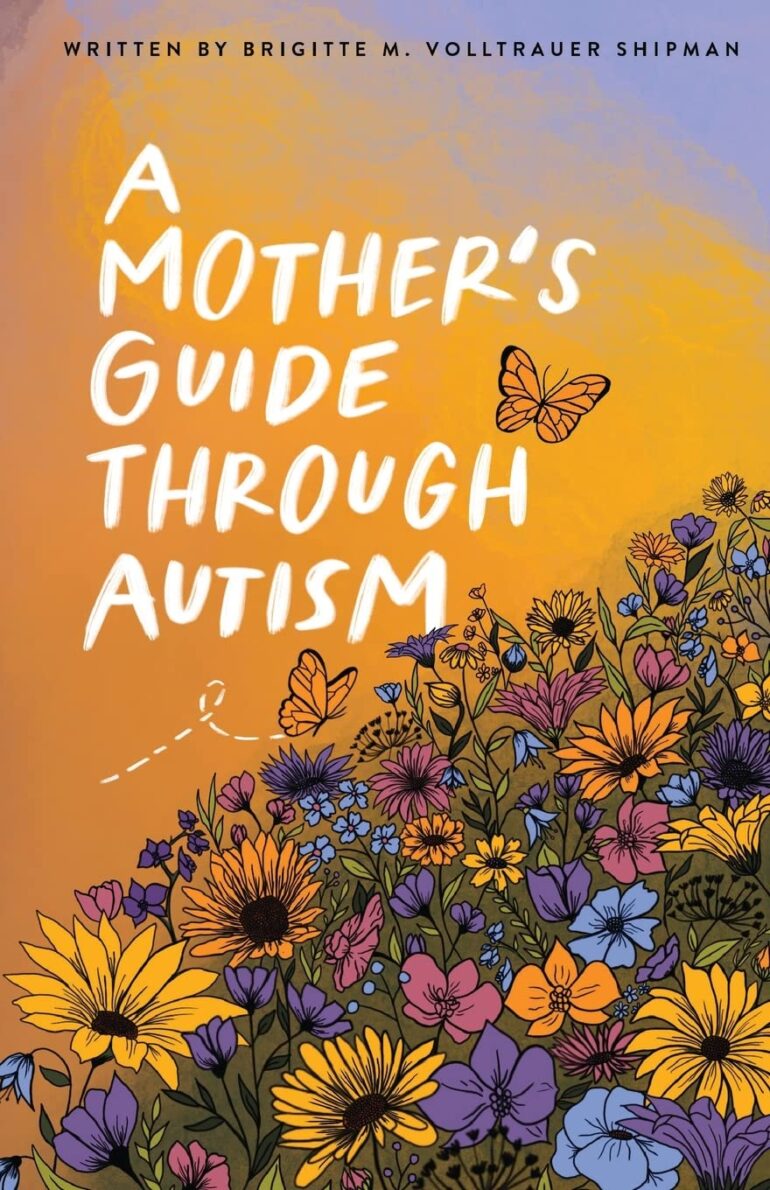
Brigitte and Joseph Shipman’s “A Mother’s Guide Through Autism, Through The Eyes of The Guided” is one of those rare books that manages to be both intensely personal and broadly applicable. The Shipmans aren’t writing from the safety of hindsight or the comfort of having all the answers. Instead, they offer their story in all its messiness and hope, inviting readers into the ongoing process of understanding, supporting, and loving someone with autism.
Brigitte’s writing is direct, compassionate, and deeply vulnerable. She doesn’t gloss over the confusion and heartbreak that so often accompany a child’s autism diagnosis. In the early chapters, she describes the chaos of trying to find answers, the parade of specialists and well-meaning advice, and the emotional toll of not knowing what the future might hold. These passages feel raw and immediate—she’s not interested in pretending to be a supermom or painting herself as a martyr. Instead, she’s honest about her doubts, her exhaustion, and her determination to do right by her son.
What distinguishes this book from countless other autism parenting guides is the way Brigitte’s voice is balanced by Joseph’s. Too often, books like this are written about autistic children, not with them. Joseph’s sections are revelatory. He offers a perspective that is rarely heard: that of an autistic child growing up, learning to communicate in a world that often doesn’t understand him. His chapters reveal the inner life of someone who is frequently misunderstood. He writes about the sensory overload of a noisy classroom, the difficulty of expressing what he’s feeling, and the comfort he finds in routines and familiar objects. His reflections are sharp and affecting, sometimes funny, sometimes heartbreaking. He gives readers a glimpse into what it’s actually like to live with autism, not just to observe it from the outside.
The interplay between mother and son is at the heart of this book. Brigitte shares the strategies she’s learned -how to advocate in schools, how to handle meltdowns, how to foster independence without pushing too hard. These are practical tips, but they’re never presented as one-size-fits-all solutions. Instead, Brigitte is clear that every family, every child, is different. What works for Joseph might not work for someone else, and that’s okay. The real advice here is to listen: to your child, to yourself, and to the experts, but most of all to the person who is living with autism every day.
The book doesn’t shy away from the hard parts. Brigitte writes candidly about the strain autism can put on a marriage, the isolation that can come from well-meaning but clueless friends, and the exhaustion that is part of daily life for so many parents of autistic children. Yet throughout, there is an undercurrent of hope. The Shipmans don’t offer easy answers or false promises. Instead, they offer their story as proof that progress is possible, that connection can be built, and that joy can be found in unexpected places.
What makes “A Mother’s Guide Through Autism” so valuable is its authenticity. This isn’t a clinical manual or a dry how-to guide. It’s a deeply human book, full of love, frustration, humor, and hard-won wisdom. Brigitte and Joseph invite the reader not only to learn from their experiences, but also to see autism as more than a diagnosis – to see the person behind the label.
For parents at the beginning of their journey, this book will be a comfort and a guide. For professionals, it offers a reminder to listen to families and to autistic individuals themselves. And for anyone with an open mind and a willingness to understand, it is a moving testament to the power of empathy, resilience, and unconditional love.
By the time you reach the final page, you’re left with more than just advice. You’re left with the sense that, while the road may be long and unpredictable, it’s a road worth walking, especially when you walk it together.