
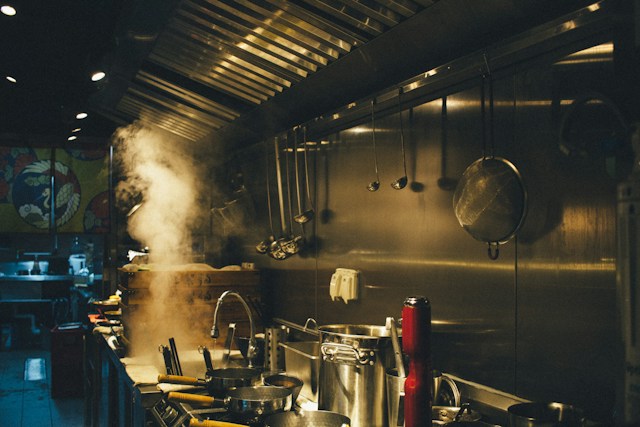
Turning a love of cooking into a food business is a thrilling leap, and the kitchen behind it makes all the difference. Home gear that served you beautifully for family dinners rarely survives commercial volume. The right professional equipment is what keeps food safe, service fast, and quality consistent. Getting those choices right early saves money and stress later.
Choosing well means understanding what commercial kitchens actually demand. Suppliers of food service equipment help new operators match the right gear to their menu and space. This guide covers why commercial equipment matters, what the essentials are, how to choose for your business, and how to keep it all running safely.
Why Does Commercial Equipment Matter?
A food business lives or dies on consistency and safety, and both depend on the right tools. Commercial equipment is built for constant use, high volume, and strict hygiene standards. Home appliances simply cannot keep that pace. Investing properly protects your product and your reputation from the very first service.
The case is clear:
- Durability. Built to run all day, every day.
- Capacity. Handles volume home gear cannot.
- Safety. Meets commercial hygiene standards.
- Consistency. Reliable results on every plate.
Anyone turning a passion for cooking into a livelihood quickly learns that tools are half the battle. The right equipment lets skill shine instead of fighting the gear. That foundation is what makes a business sustainable over the long run.
What Are The Essential Pieces?
Every kitchen is different, but a core set of equipment underpins most food businesses. Starting with the essentials keeps the initial outlay sensible. You can always add specialist gear as the menu grows. Focus first on what every service depends on.
Most operations build around these basics:
- Cooking. Ranges, ovens, and fryers for your menu.
- Refrigeration. Reliable cold storage for safety.
- Preparation. Sturdy surfaces, sinks, and tools.
- Cleaning. Commercial dishwashing and sanitation.
Understanding the FDA Food Code equipment standards helps you buy gear that passes inspection the first time. A local food premises reference document spells out the requirements your setup must meet. Buying to those standards from day one avoids costly rework and failed inspections down the line.
How Do You Choose For Your Business?
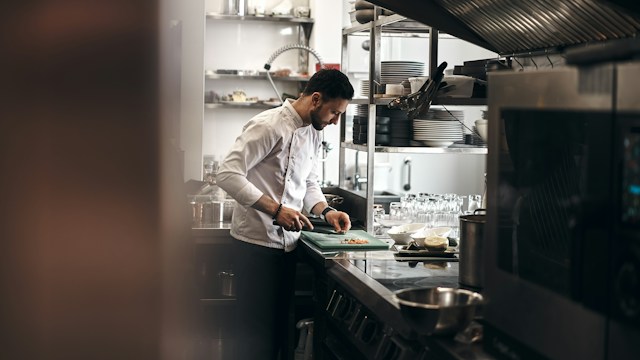
The best equipment is the gear that fits your menu, space, and volume. Overbuying wastes capital, while underbuying throttles growth. Matching the purchase to real needs is the skill here. A good supplier helps you strike that balance.
Weigh these factors before buying:
- Menu. Buy for the food you actually serve.
- Space. Measure carefully before you commit.
- Volume. Size equipment to your busiest service.
- Budget. Balance quality against cash flow.
The same care you would put into planning balanced, quality meals applies to balancing a kitchen’s needs against its budget. A supplier who knows commercial kitchens can steer you away from costly mistakes before you spend. Plan for growth, but buy for today.
How Do You Keep It Running Safely?
Commercial equipment is an investment worth protecting. Regular care keeps it safe, efficient, and long-lived. Neglect leads to breakdowns, failed inspections, and lost revenue. A simple maintenance routine prevents most problems.
Keep the kitchen humming with these habits:
- Clean daily. Hygiene and performance both depend on it.
- Service regularly. Catch wear before it fails.
- Monitor temperatures. Especially for cold storage.
- Train staff. Correct use extends equipment life.
Cooking healthy food at home teaches habits that scale, but commercial safety demands far more rigor. The discipline that helps you change your diet for good is the same discipline that keeps a professional kitchen compliant. Consistent care is what protects your investment and your customers.
Building A Kitchen That Grows With You
A food business is only as strong as the kitchen behind it, and the right equipment is the foundation everything else rests on. Invest in durable commercial gear built for volume and safety, start with the essentials, and match every purchase to your menu, space, and budget. Buy to recognized food-safety standards from the start, and protect your investment with daily cleaning and regular servicing. Get those fundamentals right, and you build a kitchen that keeps your food safe, your service smooth, and your business ready to grow. The gear you choose today quietly shapes how far that business can go tomorrow.
Frequently Asked Questions
Can I Start a Food Business With Home Equipment?
Usually not for long. Home appliances are not built for the volume, constant use, or hygiene standards that commercial food businesses require, and many jurisdictions mandate commercial-grade equipment for licensed operations. Starting with the right gear keeps you compliant and consistent. You can begin with the essentials and expand, but building on home equipment tends to cost more in the long run.
What Equipment Should I Buy First?
Focus on the core your menu depends on: reliable cooking equipment, proper commercial refrigeration, sturdy preparation surfaces, and a commercial cleaning setup. These underpin almost every food business. Specialist gear can wait until the menu and demand justify it. Buying the essentials well, rather than spreading your budget thin across extras, gives you a dependable foundation to grow from.
How Do I Make Sure Equipment Meets Regulations?
Buy to recognized food-safety standards from the outset and check local requirements before purchasing. Food codes and regional food-premises guidelines specify construction, materials, and temperature control for commercial equipment. A knowledgeable supplier can point you to compliant options. Confirming these details early means you pass inspection the first time instead of facing expensive replacements later.
How Do I Keep Commercial Equipment Lasting Longer?
Treat maintenance as routine, not an afterthought. Clean equipment daily, service it on schedule, monitor refrigeration temperatures closely, and train staff to use it correctly. These simple habits prevent most breakdowns and failed inspections. Well-maintained commercial equipment can last many years, protecting both your initial investment and the safety and quality your customers expect.


