
Eco-conscious beauty has become popular among consumers seeking to be more conscientious shoppers. These everyday products, including cosmetics that come into contact with skin, prioritize sustainable ingredients, sourcing and packaging. Understanding what makes them unique may help wellness enthusiasts shop with greater confidence.
What Makes A Cosmetic “Eco-Conscious?”
The terms “eco-conscious” and “clean beauty” are often used interchangeably, although they don’t always have the same meaning. In general, eco-friendly cosmetics are made with the people and the planet in mind. This can involve:
- Sourcing ingredients ethically
- Safer recipes
- Less waste from packaging
- Sustainable manufacturing methods
Clean beauty products are generally more focused on ingredient safety, whereas eco-minded products take a broader view of their environmental footprint.
The lack of a single definition for these terms may make it hard for customers to know what they are actually buying. Many firms use marketing phrases like “natural,” “green,” or “clean,” even when they haven’t made major improvements to their products or sustainability practices. The tactic, called “greenwashing,” can mislead consumers and make it difficult for them to choose items that align with their beliefs.
Plenty of confusion is out there. Still, four out of five consumers say it is at least somewhat important that the products they buy are clean, and therefore, there is a growing demand for healthier and more sustainable cosmetic solutions.
Meanwhile, consumers want firms to put their money where their mouth is. In fact, one survey found that 40% of beauty shoppers want to know how their favorite brands are actively working to prevent their products from polluting the world. When considering eco-friendly cosmetics, a crucial first step is to differentiate between marketing lingo and genuine sustainability measures.
The Core Elements Of A Green Product
When evaluating whether a cosmetic product is truly eco-conscious, it helps to look beyond marketing claims and focus on the features that have the greatest impact on sustainability.
Sustainable Ingredient Sourcing
Where the ingredients are from is one of the biggest aspects of an eco-conscious cosmetic product. Sustainable sourcing is about acquiring products in an environmentally conscious way and ensuring ethical labor practices. That could mean organic farming practices, fair trade partnerships and cruelty-free product creation. Such approaches can reduce pollution, safeguard natural resources and encourage greater transparency throughout the supply chain.
Certification helps consumers discover products that satisfy recognized criteria. Labels like Fair Trade, USDA Organic and Leaping Bunny can offer further assurance that a firm adheres to responsible sourcing methods. There is no perfect certification, yet they can be useful tools for comparing items.
Consumers are becoming more interested in sustainability. According to NielsenIQ’s 2023 report, 62% of customers said sustainability became more important to them than it was two years earlier at the time of the survey. As a result, an increasing number of beauty companies are focusing on ingredient sourcing and transparency to align with shifting consumer expectations.
Innovations in Sustainable Materials
Advances in materials science are enabling cosmetic firms to create products that are both effective and environmentally responsible. One invention is biodegradable nonwoven fabrics, which are widely used in products such as sheet masks and cosmetic wipes. Unlike certain traditional materials, biodegradable options are meant to decompose more readily once discarded.
These materials can also provide significant performance gains. For example, some high-tech nonwoven materials can hold up to 10 times their own weight in liquid. This allows sheet masks and similar products to effectively hold and deliver skincare ingredients, while also contributing toward sustainability goals. As more companies dabble in eco-friendly materials, consumers can look forward to a greater selection of items that offer good performance but less impact on the environment.
Eco-Friendly Packaging
Packaging is also a big factor to consider when shopping for eco-friendly cosmetics. Traditional cosmetic packaging is generally made of single-use polymers that take years to decompose in the environment. Packaging trash can quickly pile up over time as cosmetic items are often bought and replaced.
This is a huge problem. Every year, around 280 million tons of plastic packaging garbage are produced globally. That figure has prompted several cosmetics companies to seek alternatives that waste less and make their products more recyclable.
Consumers can search for packaging characteristics such as refillable containers, post-consumer recycled materials, glass packaging, and, when available, package-free choices. These options can minimize the demand for new plastic production while encouraging a more sustainable approach to beauty and personal care.
A Guide To Eco-Conscious Shopping
Choosing eco-conscious cosmetics can be simple by keeping a few key considerations in mind:
- Look for third-party certifications: Labels provide additional insight into a product’s sourcing, safety and ethical standards.
- Prioritize transparency: Brands that openly share information about their ingredients, sourcing practices and manufacturing processes are often easier to evaluate than those that rely on broad marketing language.
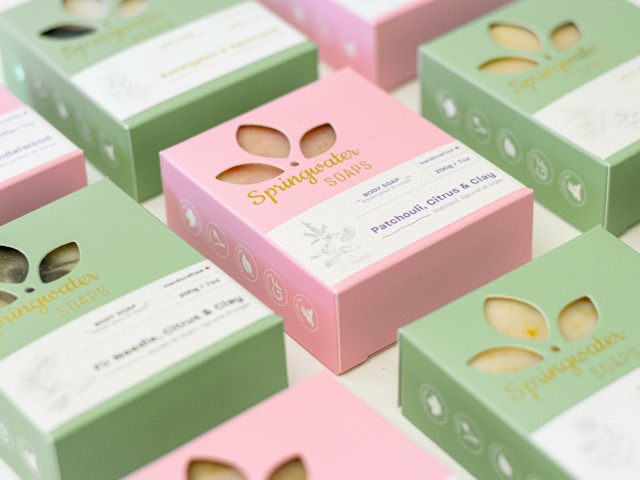
- Choose products with sustainable packaging: Refillable containers and minimal packaging can reduce waste. Consumer interest in better packaging is strong, as 81% of shoppers say brands should continuously reduce plastic packaging.
- Read beyond the front label: Terms like “natural” and “green” can be misleading when used without supporting details. Reviewing the ingredient list and sustainability information can provide a clearer picture of a product’s environmental impact.
Making More Sustainable Beauty Choices
Eco-conscious cosmetics allow consumers to support personal wellness and environmental responsibility through their everyday purchases. By paying attention to ingredients, packaging and brand transparency, shoppers can make more informed decisions and feel better about their beauty routines, aligning themselves with their values.