You reach past glass chiller doors several times a week without giving it a thought. Kefir, cut fruit, a salad box, a bottle of something cold. Those chiller doors are the last piece of equipment between a chilled shelf and your kitchen. It is also the busiest moving part in the entire cabinet.
Anyone running a juice bar, a health food shop or a gym cafe has to pick one eventually. The decision usually comes down to sliding versus swinging doors, and it usually gets made on price or on looks. Traffic is the better basis. It also happens to be why a shopper can tell a well run cabinet from a struggling one in about two seconds.
Why Does A Cabinet Door Matter To A Shopper?
Because you are buying the last few hours of that food’s cold chain, not the first few days. Whatever happened in the truck matters less than what happened on the shelf you took it from.
Chilled food is time and temperature sensitive by design. The Food Standards Agency sets the legal line for cold food at 8°C or below. That applies in England, Wales and Northern Ireland. It advises setting a fridge to 5°C so ordinary fluctuation never pushes it over.
Independent fridge testing shows how far real cabinets drift from the number on the dial. A cabinet that cannot hold its line is not obviously broken. It just runs warm at the front.
What Really Happens When A Door Opens?
Cold air is dense and it sits low. Warm room air is lighter and full of moisture. Open a door and the two swap places for a few seconds, which is why a chest freezer behaves better than an upright one.
Three things follow from that exchange:
- The shelf nearest the opening warms first and recovers last.
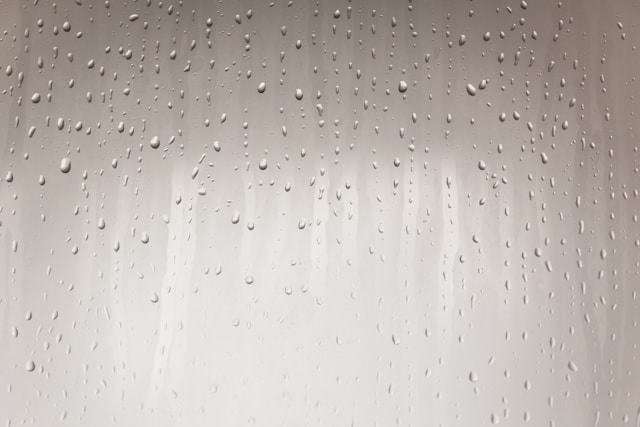
- Moisture arrives with the warm air and condenses on cold glass.
- The compressor runs longer to pull the cabinet back down.
None of that is a problem once. Repeated all day, it becomes the difference between a crisp salad and a tired one.
Counting Openings, Not Features
Most equipment decisions start with a spec sheet. A better starting point is a stopwatch. Stand near the cabinet during the busiest fifteen minutes of the day and count how many times the door moves.
That single number tells you more than any feature list. A cabinet opened twice an hour is a storage problem. A cabinet opened twice a minute is a traffic problem, and traffic is what door style actually solves.
Worth logging alongside the count:
- How wide the opening gets on a typical grab.
- Whether one person or five are reaching in at once.
- How long the door sits held open during a restock.
- Whether the room itself is humid, warm or draughty.
Where Each Door Style Fits A Trading Day
A hinged glass door gives one clean opening across the whole cabinet front. That suits a shop that fills and faces its shelves in a single scheduled pass, then leaves the cabinet mostly shut. It also gives an uninterrupted view, since no track runs down the middle of the glass.
A sliding panel behaves differently. Half of the front stays sealed no matter what, so the opening is smaller by design and the door never needs clearance in front of it. That suits a counter where the door moves constantly and people queue close to it.
The honest summary is that neither style wins outright. Match the door to the rhythm of the room:
- Scheduled fills, quiet trading, plenty of clearance, hinged works well.
- Constant self service in a tight aisle, sliding works well.
- Humid kitchens and warm rooms need a closer look at either option.
Efficiency claims deserve the same scepticism you would apply to a food label. Ask for the model number and look it up rather than trusting a badge on the door, and treat general energy saving advice as a floor rather than a ceiling. A cabinet that is cheap to buy and costly to run is a false economy.
Which Signals Can A Shopper Read At The Glass?
Quite a lot, and none of it takes expertise. Cold cabinets fail visibly long before anything smells wrong.
- Heavy fogging on the inside of the glass after a quiet spell.
- Frost building at one corner while the rest stays clear.
- Product on the front edge that feels cool rather than cold.
- A door that does not fall shut on its own.
- Salad leaves wilting on the top shelf while the bottom looks fine.
Any one of those can be a busy afternoon. Two or three together suggest the cabinet is losing the recovery race. That is a reasonable moment to buy something shelf stable instead.
Habits That Protect Cold Food At Home
Your own fridge runs the same physics with a much smaller budget. The trip from shop to kitchen is where most of the temperature is lost, so shorten it and pack cold items together.
Once home, the rules are familiar. Sensible ways to store leftovers safely matter more than any gadget, and a fridge thermometer costs less than one wasted weekly shop. Keeping the door shut also cuts running cost, which sits neatly alongside other ways of making a kitchen kinder to the environment.
One number is worth remembering during an outage. Food in a closed refrigerator and freezer may stay safe for 24 to 48 hours if the doors are kept shut, and that window shrinks every time somebody looks inside.
FAQ: Cold Cabinets And Door Choice
Do Sliding Doors Keep Food Colder Than Hinged Doors?
Not automatically. A sliding panel keeps part of the front sealed, so a typical opening is smaller, which helps in a busy aisle. A well fitted hinged door on a quiet cabinet can hold temperature just as well.
How Cold Should a Retail Chiller Be?
Cold food should sit at 8°C or below, and most fridges are set to 5°C or below to allow for fluctuation. Many cabinets display their temperature on the front. If the reading sits above that line during normal trading, ask before you buy.
Why Does the Glass Fog Up On a Display Fridge?
Warm, moist room air meets cold glass every time the door opens and condenses on it. Brief fogging after a rush is normal. Persistent fogging in a quiet shop points at a seal, a heater or a door that is not closing.
How Long Does Cold Food Stay Safe After the Power Cuts?
A closed fridge holds its temperature for several hours, and a full freezer for longer. The exact window depends on the unit and the room around it. Opening the door repeatedly cuts that time sharply. Chilled food that has sat out should be treated with caution, not put back on the shelf.