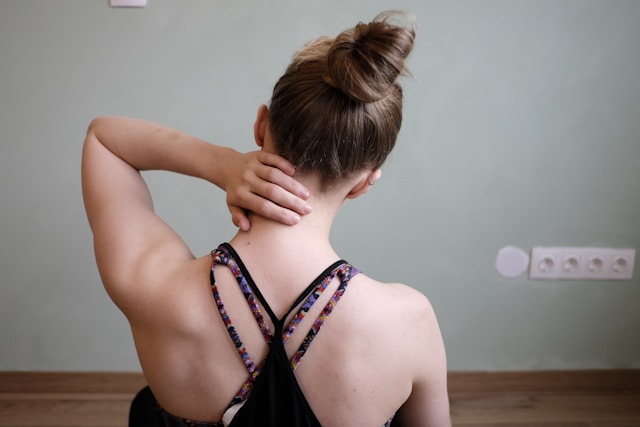
It’s frustrating when back or neck pain gets in the way of staying active. You may not need to stop moving, but the right activity depends on the cause, severity, and warning signs. This Coral Springs guide explains safer ways to stay active, habits that may aggravate symptoms, and when evaluation should come before exercise. This article provides general information, not a diagnosis or substitute for individualized medical advice.
Why Everyday Movement Matters For Long-Term Spinal Health
The spine and surrounding muscles generally benefit from regular, comfortable movement. Long inactivity can contribute to stiffness and weakness, while suitable activity can help maintain function. Federal health guidance encourages regular activity, strength work, and stretching, with individualized advice for people who have an injury, health condition, or disability.
Keep Your Muscles Strong and Supple
The abdomen, back, hips, and upper body help support daily movement. Gradual strengthening can improve walking, lifting, and changing positions. Do not push through sharp pain. Reduce the range, resistance, or duration if symptoms increase.
Improve Blood Flow and Nutrient Delivery
Movement increases circulation to working tissues. Treat gentle activity as one part of maintaining mobility, not as a cure. Pain that spreads, intensifies, or causes weakness should not be managed by exercise alone.
Enhance Flexibility and Range of Motion
Comfortable motion can help preserve flexibility and make daily tasks easier. More range is not always better. Stretch only within a comfortable range, and do not force the neck or back into positions that reproduce symptoms.
Promote Better Posture
Posture is not one perfect position. Vary positions, keep frequently used items within reach, and avoid staying bent or twisted for long periods. Movement breaks can reduce the strain of holding any posture too long.
Daily Habits That Place Extra Stress On The Back And Neck
Daily routines can irritate the back or neck when the same position or movement continues for hours. Small changes often matter more than trying to hold a rigid “perfect” posture all day.
The “Desk Slouch” and “Phone Neck”
Leaning toward a computer or looking down at a phone can fatigue the neck, shoulders, and upper back. Bring the screen closer to eye level, support your arms, and change position before discomfort builds.
Improper Lifting Techniques
Reaching, twisting, or holding a load away from your body increases the effort required. Keep the object close, bend through your hips and knees, avoid twisting while carrying it, and get help with heavy or awkward loads.
Sedentary Behavior
Extended sitting can contribute to stiffness and reduced activity tolerance. Stand, walk, or change position at intervals that fit your symptoms and work demands. Brief movement breaks are often more useful than holding one position for hours.
Poor Sleep Posture
A mattress, pillow, or sleeping position can aggravate symptoms, but no single setup works for everyone. Choose support that feels comfortable and does not force the neck or back into an extreme position.
Repetitive Motions
Repeated reaching, twisting, lifting, or head positions can irritate sensitive tissues. Vary the task, take short breaks, and adjust the load or technique before pain becomes more intense.
How To Tell Normal Soreness From A More Persistent Problem
Soreness after unfamiliar activity can be normal, but duration alone cannot show whether pain is harmless. Notice whether symptoms are improving and whether they affect strength, sensation, balance, or bladder and bowel control.
What’s “Normal” Soreness?
Ordinary muscle soreness often follows new or harder-than-usual activity and should gradually improve over several days. Sharp, steadily worsening, highly localized, or neurological symptoms should not be judged by a simple time limit. A primary study found significantly more reported soreness at 24 and 48 hours after exercise.
Red Flags to Watch For
Seek urgent help for new loss of bladder or bowel control, progressive weakness, numbness around the groin or seat area, or severe symptoms after a major fall or collision. Contact a healthcare professional promptly for fever, unexplained weight loss, a history of cancer, pain that repeatedly wakes you, or symptoms traveling into an arm or leg. MedlinePlus identifies these as reasons for prompt evaluation.
Pain That Interferes with Daily Life
Schedule an evaluation when pain is not improving, repeatedly returns, or limits walking, work, sleep, or routine activities. A clinician can assess whether the problem is likely muscular or requires testing or more specific treatment.

Building A Spine-Friendly Morning Routine
A calm start helps you judge how your body feels before the day begins. Morning movement should be gentle, controlled, and easy to stop.
Gentle Stretches to Wake Up Your Spine
Try slow shoulder rolls, easy trunk movements, or a short walk. Move your neck only through a comfortable range; avoid large neck circles or forceful stretching. Stop if pain spreads, becomes sharp, or causes tingling or numbness.
The Importance of a Supportive Mattress and Pillow
Use a mattress and pillow combination that feels supportive and comfortable. Side sleepers may prefer support between the knees, while back sleepers may find support under the knees helpful. Personal comfort matters more than a universal firmness rule.
Hydration for Spinal Discs
Drink water regularly for general health, especially before activity in South Florida heat. A morning glass of water supports hydration but is not a direct treatment for painful spinal discs.
Setting the Stage for Good Posture
Avoid rushing into heavy lifting or deep stretching. Stand in a comfortable, balanced position, keep breathing normally, and change positions when stiffness begins.
Improving Your Posture At Work, At Home, And While Driving
Posture is about comfort, control, and task setup rather than appearance. The best position is usually one you can change before fatigue builds.
At Your Workspace: The Ergonomic Approach
Creating an Ergonomic Setup
Adjust the chair so your feet are supported and your lower back is comfortable. Place the monitor in front of you with the top at or just below eye level. Keep the keyboard and mouse close enough that your elbows remain near your body. These points follow OSHA workstation guidance.
Regular Movement Breaks
Use reminders to stand, stretch gently, or walk. A fixed 30- or 60-minute schedule is not mandatory; choose an interval that is practical and prevents prolonged discomfort.
At Home: Conscious Positioning
When watching television, reading, cooking, or cleaning, vary your position and use support where needed. Keep common items within reach, divide heavy chores into smaller tasks, and use your legs while lifting.
While Driving: Adjusting for Support
Move the seat close enough to reach the pedals with a comfortable bend in the knees. Support your back, relax your shoulders, and keep the wheel within easy reach. On longer drives, stop when practical to walk.
Choosing Low-Impact Activities That Support Mobility
Choose an activity you can perform with control and without worsening or spreading symptoms. The right option depends on your diagnosis, balance, fitness, and pain level.
Water Aerobics: A Cushioned Workout
Water reduces weight-bearing load and may make movement more comfortable. Begin in a supervised or shallow setting if balance is a concern, and avoid twisting or strokes that reproduce pain.
Walking: The Foundation of Fitness
Walking is easy to adjust. Start with a tolerable pace and duration, then increase gradually if symptoms remain stable. Coral Springs options include paved park paths and the unpaved Sawgrass Trailhead; check current hours and conditions before visiting.
Yoga and Pilates: Core Strength and Flexibility
Yoga and Pilates may help some people build strength, flexibility, and body awareness, but they do not suit every condition. Choose a beginner or pain-aware class, tell the instructor about your symptoms, and skip painful poses. Federal health information reports that yoga may help some people with low-back pain, with effects similar to other forms of exercise.
Cycling (Stationary or Outdoor): Controlled Motion
Cycling offers cardiovascular activity with relatively little impact, but a bent-forward position may aggravate some conditions. Adjust the seat and handlebars, begin with light resistance, and consider a stationary bike if balance is a concern.
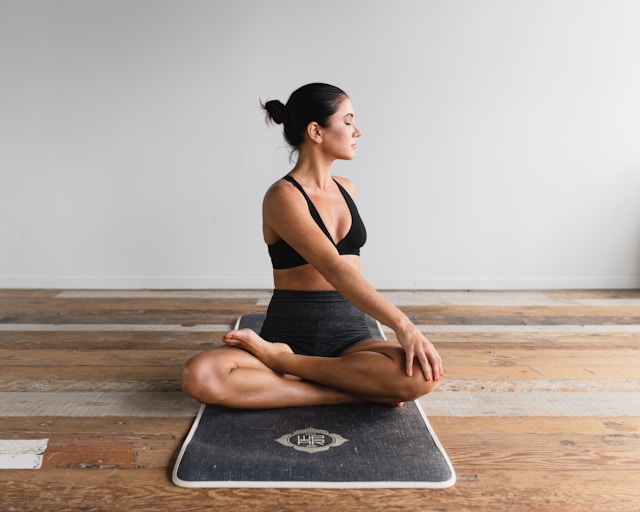
Balancing Strength, Flexibility, And Recovery
A sustainable plan balances activity with recovery and adjusts to symptoms rather than following the same routine every day.
Targeted Strengthening Exercises
Core, hip, glute, and upper-back exercises may support daily function. Planks, bridges, and rows are examples, not universal prescriptions. Use an easier variation or stop when form breaks down, or symptoms spread.
Essential Flexibility Work
Stretch tight muscles without forcing the painful area. Gentle movement before activity can prepare you to move, while comfortable stretching afterward may help you relax. Controlled technique matters more than rigid timing rules.
The Power of Rest and Regeneration
Recovery rarely requires staying in bed. Reduce or pause movements that aggravate symptoms, sleep adequately, and return to comfortable activity gradually. Persistent or severe pain should be evaluated rather than repeatedly managed with rest alone.
Active Recovery Techniques
On lower-activity days, try an easy walk, relaxed movement in water, or light mobility work. Active recovery should leave symptoms unchanged or improved; it is not a test of pain tolerance.
When Rest Helps And When Gentle Movement May Be Better
The choice between rest and movement depends on the cause, severity, and presence of warning signs.
Acute Pain: Relative Rest and Safe Movement
For new pain, briefly modify activities that sharply increase symptoms, especially heavy lifting, impact, or twisting. Avoid prolonged bed rest when no serious warning signs are present. MedlinePlus advises staying as active as possible with uncomplicated back pain while seeking care for weakness, fever, weight loss, or loss of bladder or bowel control.
Chronic Pain: The Benefits of Gentle Movement
For ongoing pain, complete inactivity can reduce strength and confidence. A gradual plan may include comfortable aerobic activity, strengthening, and mobility work, ideally selected with a professional when the cause is uncertain, or symptoms persist.
Keep Joints Moving Comfortably
Gentle motion can reduce stiffness after long periods in one position. Move within a tolerable range rather than trying to “lubricate” the spine through repeated or forceful motion.
Prevent Muscle Weakness and Stiffness
Long inactivity can reduce strength and activity tolerance. Begin below your current limit and progress one variable at a time, such as duration before speed or resistance.
Improve Blood Circulation
Walking and other light activity increase circulation to working tissues. Movement may feel helpful, but it does not identify or cure the cause of pain.
Manage Pain Perception
Regular activity may improve function and confidence even when some discomfort remains. Measure progress by what you can do safely, not by forcing pain to zero during every session.
The Key is to Listen to Your Body
Stop if activity causes sharp pain, new weakness, loss of balance, or symptoms that spread farther into an arm or leg. If soreness does not settle or keeps worsening, reduce the activity and seek advice.
Where Chiropractic Care May Fit Into A Broader Wellness Plan
Chiropractic care may be one option, depending on the diagnosis, proposed treatment, and patient preferences; readers looking for the Coral Springs office location and contact information can click here, while primary care clinicians, physical therapists, and other licensed professionals may also evaluate pain and guide activity. Florida practices using this article as advertising must comply with Florida Statutes Section 460.413, which prohibits false, deceptive, or misleading chiropractic advertising.
Spinal Manipulation: What It Involves
The National Center for Complementary and Integrative Health defines spinal manipulation as a controlled thrust applied to a spinal joint. It may produce small or modest improvements for some adults with low-back pain, but results vary. It should not be described as correcting a universal “misalignment” or treating every cause of pain.
Personalized Treatment Plans
A chiropractor should review symptoms, medical history, physical findings, and whether referral is appropriate before recommending care. Tell the provider about medical conditions, recent trauma, neurological symptoms, and medications that may affect treatment choices. NCCIH advises practitioners to assess patients thoroughly and patients to disclose their health conditions and medications.
Complementary Therapies
Some chiropractors include exercise, mobility work, and lifestyle guidance. Ask what each treatment is intended to do, what evidence supports it, what alternatives exist, and how progress will be measured. Care should focus on realistic goals, not promises to correct the “root cause.”
Education and Prevention
Useful care should explain safe movement, pacing, workstation changes, and ways to reduce future flare-ups. You should also know when symptoms require another healthcare professional.

Creating a Sustainable Active-Living Routine in Coral Springs
The goal is to make activity practical, enjoyable, and adaptable rather than treating every day as a test of willpower.
Find Activities You Genuinely Enjoy
Consider a comfortable walk at Cypress Park, the Sawgrass Trailhead, or another City of Coral Springs location. A beginner class or gentle game with friends may also work. Check current hours, surfaces, weather, and accessibility first.
Set Realistic Goals and Celebrate Small Wins
Start below your maximum tolerance, such as a short walk or a few controlled movements, and increase gradually. Aim for consistency without a lasting symptom flare, not rapid progression.
Build a Support System
Share your plan with friends or family, or choose an instructor who welcomes modifications. Support and accountability can make consistency easier and help you notice when you are doing too much.
Be Flexible and Adaptable
Energy, symptoms, and weather will vary. Keep backup activities available and adjust duration, pace, or range of motion as needed. A sustainable Coral Springs routine should support daily life while leaving room for evaluation when pain is severe, persistent, or changing.
Frequently Asked Questions
Should I stay active when I have back or neck pain?
Gentle activity may help maintain mobility and reduce stiffness, but the right level of movement depends on the cause and severity of your symptoms. Avoid activities that cause sharp pain, spreading symptoms, new weakness, or loss of balance.
What types of exercise may be easier on the back and neck?
Walking, water aerobics, stationary cycling, yoga, and Pilates may be suitable when performed with proper form and appropriate modifications. Start at a tolerable level and stop or adjust the activity if symptoms worsen.
When should back or neck pain be evaluated promptly?
Seek prompt medical attention for progressive weakness, numbness around the groin or seat area, loss of bladder or bowel control, severe symptoms after a major fall or collision, fever, unexplained weight loss, or pain that repeatedly wakes you.
Is rest better than movement for new back or neck pain?
Briefly reducing activities that aggravate pain may help, but prolonged bed rest is generally not recommended when no serious warning signs are present. Comfortable movement can usually be resumed gradually as symptoms allow.
Where may chiropractic care fit into a wellness plan?
Chiropractic care may be one option depending on the diagnosis, proposed treatment, and patient preferences. A chiropractor should review symptoms and medical history before recommending care, and other professionals such as primary care clinicians and physical therapists may also help evaluate pain and guide activity.