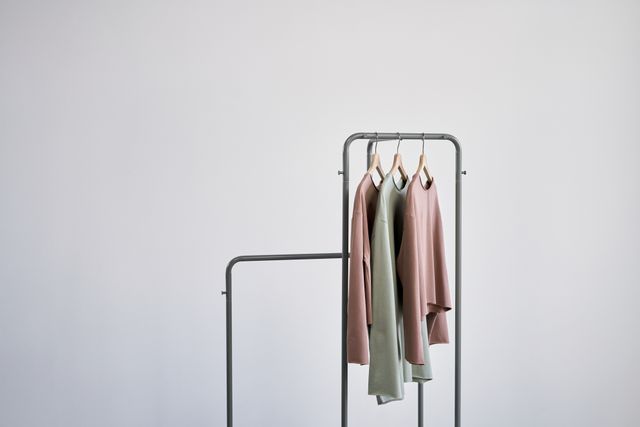
For around a century now, minimalism has been holding on to and building a grip on our sense of what’s fashionable. This doesn’t just include the world of clothing, it’s also found a presence everywhere else in our cultural milieu, from architecture to furniture design.
To take a closer look at this trend, or collection of trends, we’ve taken a quick dive into what makes minimalist fashion styles such a mainstay, along with a brief history of how minimalism has expressed itself across the decades.
Yes, They Are
In short, yes, minimalist fashion styles are a mainstay. This is partly because of how versatile the concept of minimalism is. It’s defined by paring back, by a lack of excessive ornamentation, but that doesn’t mean that it has to be plain or boring.
Minimalism still allows for a wonderful range of expressive creativity, and this range means that it has been able to go through countless iterations and rebirths over the years. Minimalism’s ability to shapeshift means that people simply cannot get bored of it.
Epochs Of Minimalism
These are just a few stages in the historical journey of minimalism.
Coco Chanel
In the 1910s and 20s, Coco Chanel revolutionised women’s fashion in particular, with items like the Little Black Dress and other straight, pared-down silhouettes.
Post WWII
During the Second World War, with rationing impacting fabric accessibility, tailors started to change the way they made clothes. Double-breasted jackets became less common, and decorative trims were abandoned to save on material. This continued to have a practical impact well into the 1950s.
Capsule Wardrobes
While initially appearing in America in the 1940s, capsule wardrobes saw a resurgence in popularity in the 1970s. Rather than an economic necessity, this minimalist philosophy was marketed to working women as a practical approach to dressing oneself.
90s
By the 1990s, designers like Calvin Klein were bringing minimalist fashions back into the forefront of the popular imagination. The excesses of the 80s were rapidly stripped away, replaced with neutral tones and cleaner lines.
One of the most iconic of these interventions was the slip dress. Shown off by supermodels like Kate Moss, this aesthetic became a symbol of the era, and never really left us.
Minimalism Today
Minimalist styles are still very popular today, perhaps more so than ever. They’ve seeped into all sorts of other niches, from plain T-shirts from places like Screen Textiles to office attire, and don’t seem to be going anywhere fast.
As an inextricably connected fixture of modernity itself, minimalist styles are so closely tied to our cultural identity that it’s hard to imagine a world without them. That world may come one day, but it seems like it must be a long, long way off.
As with all other fashion trends, the funnest way of approaching minimalism is by treating it like an adaptable concept that you can shape to match your own personal requirements. Whether those requirements are practical, aesthetic, or more philosophical in another sense, you can absolutely make it work for you.